
The Sound of the Islands
A fundamental Hawaiian instrument in the islands and around the world, the Hawaiian steel guitar is still going strong.
TEXT BY MIA ANZALONE
IMAGES BY NANI KELI‘IHO‘OMALU WELCH
TRANSLATION BY KYOKO HAMAMOTO
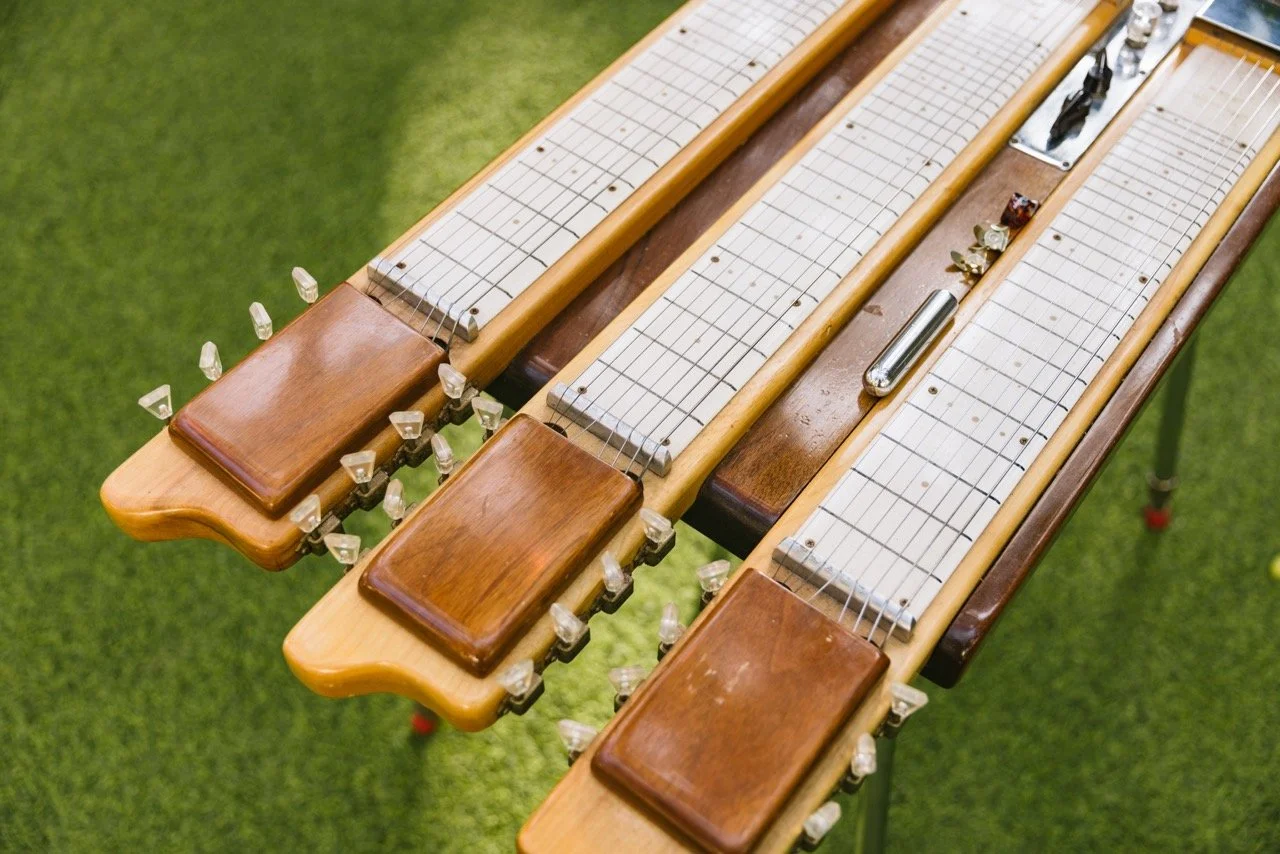
Long before the Hawaiian steel guitar became synonymous with Santo & Johnny’s Sleep Walk or the SpongeBob Squarepants soundtrack, the instrument originated in the islands, an invention of Joseph Kekuku, a Native Hawaiian from Lā‘ie, O‘ahu. According to Kekuku’s great niece Ka‘iwa Meyer, the instrument, traditionally known as kīkā kila, was conjured by accident in the 1880s when one day, an 11-year-old Kekuku and his cousin were playing mele for passersby in front of the family’s general store. By fate or coincidence, Kekuku leaned over, his metal comb falling out of his pocket onto the strings of his Spanish guitar, and the rest is history.
Kekuku tinkered with his guitar, replaced its strings with steel ones, created a metal round bar for sliding and glissando effects, and played the instrument horizontally, later incorporating finger picks into his practice. Simultaneously, the guitar traveled around the islands, becoming a staple in Native Hawaiian music, and migrated abroad as Native Hawaiians searched for jobs on the continent. By the time the United States illegally overthrew the Hawaiian Kingdom in 1893, the instrument symbolized a distinctly Hawaiian sound, especially in the midst of cultural losses and a diminished use of ‘ōlelo Hawai‘i.
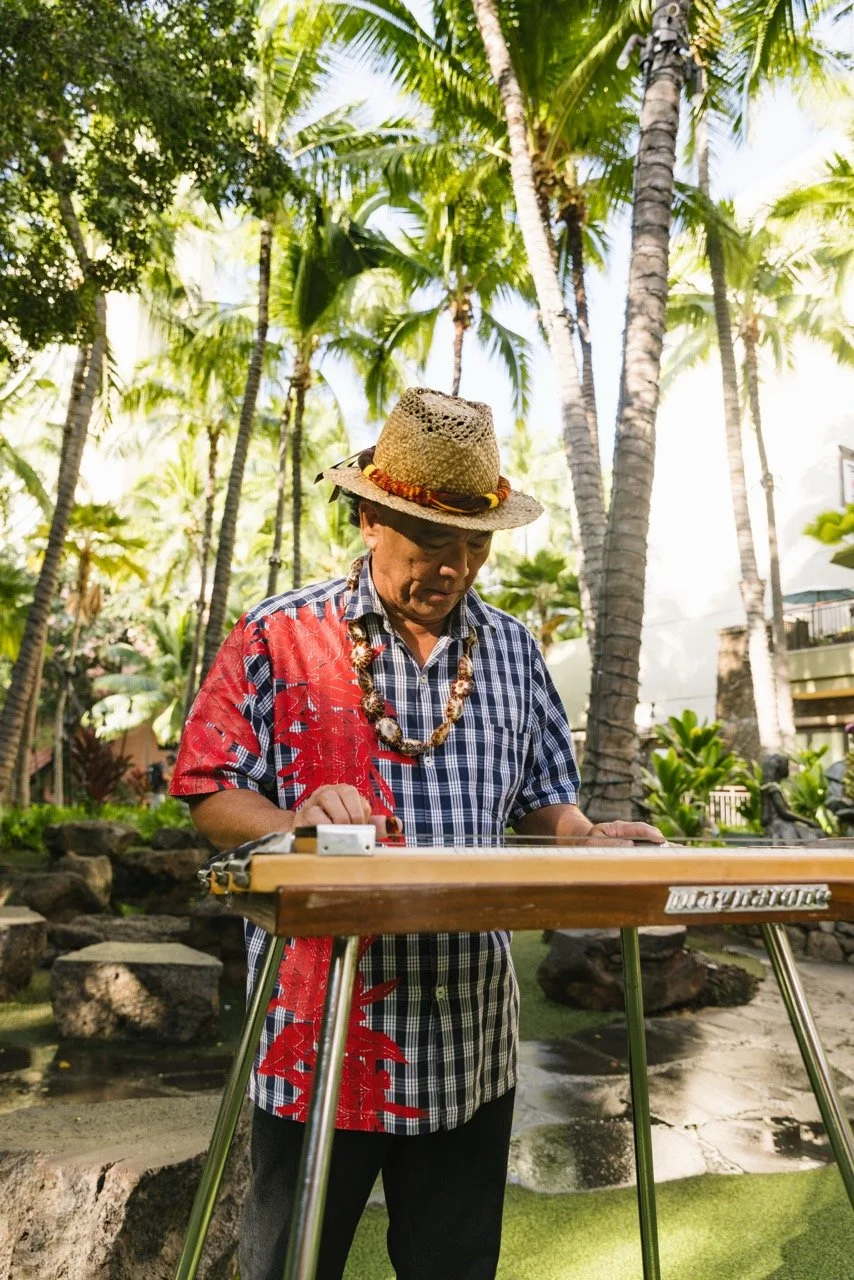
It also became a foundation for myriad genres—that buoyant sliding sound captivated musicians around the world, reverberating in rock and roll, blues, and country songs. The obsession continues today, says Alan Akaka, a longtime kīkā kila musician and music educator. Akaka has toured across Europe, Asia, and Canada performing for audiences who are nostalgic for that old Hawai‘i kani, and now teaches the instrument to children and adults from around the world. Still, the guitar is “the signature sound of the islands,” he says. “There was so much of it around,” says Akaka. “You could go to some of the nightclubs in Waikīkī or bars and could hear the steel guitar at every corner.”
Now, the guitar is making a comeback, Akaka says. In addition to his growing clientele, more steel guitar festivals are popping up, including Waikīkī Steel Guitar Week held at the Royal Hawaiian Center. The week-long event is a celebration of Hawaiian steel guitarists from novice to virtuoso levels, according to RHC’s cultural director Monte McComber. The festival, held July 7 to 12 at RHC’s Royal Grove, will showcase the instrument’s international impact, hosting about 20 Japanese players on July 11. While the festival is an opportunity to hear professional musicians, McComber says the resurgence of the Hawaiian steel guitar has also led many budding artists to perform at festivals across the islands. “Coming out to see them, to smile at them, to see when they perform, to applaud enthusiastically—these are all things that help young artists on their musical journey,” McComber says. The festivals help “plant seeds” in young mea ho‘okani pila, who will carry on the Hawaiian tradition, says Akaka: “It’s coming back slowly, but it is coming back.”